Over the years, it has been heartbreaking to see how much more common cancer seems to be in dogs compared to when I was growing up in the 1980s. While we have made incredible advancements in veterinary medicine, diagnostics, and products designed to help our dogs live longer lives, it also feels like we have declined in some areas, particularly with the convenience-driven use of chemical topical and oral pesticides.
In my over 20 years of breeding German Shepherds, I have faced the sad reality of owners reaching out to me after their dogs were diagnosed with cancer at just seven or eight years old. When we gently ask if topical or ingestible flea and tick preventatives were used, the answer is always the same: "YES".
Seeing this pattern over and over again is deeply concerning, and it tells me that something has to change in the way we treat and protect our dogs.
Cancer is already devastating enough without adding unnecessary chemical stressors to our dogs’ bodies. As more research continues to explore the long-term effects of repeated exposure to pesticides, we believe staying with healthier, more natural options whenever possible is simply the better choice.
This philosophy extends beyond what you put directly on your dog. We also strongly recommend avoiding chemical weed killers and non-natural flea and tick treatments in your yard. Dogs spend so much of their lives on the ground, rolling, laying, sniffing, and absorbing whatever is in their environment. A naturally managed yard helps reduce overall exposure and supports better long-term health.
We understand that natural flea and tick prevention often requires more effort. I’ve always compared it to putting on your socks every day, a natural spray may wear off as the day goes on, and it may need to be reapplied more often than a once-a-month chemical preventative. But that extra effort is worth it if it means having another five to eight healthy years with your beloved dog.
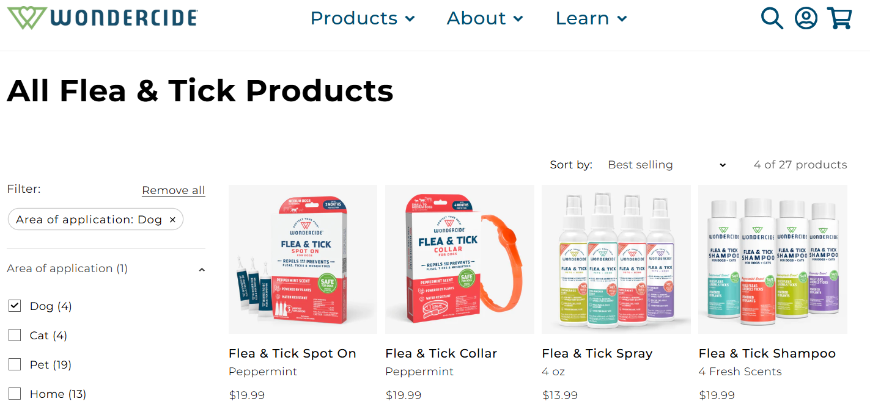
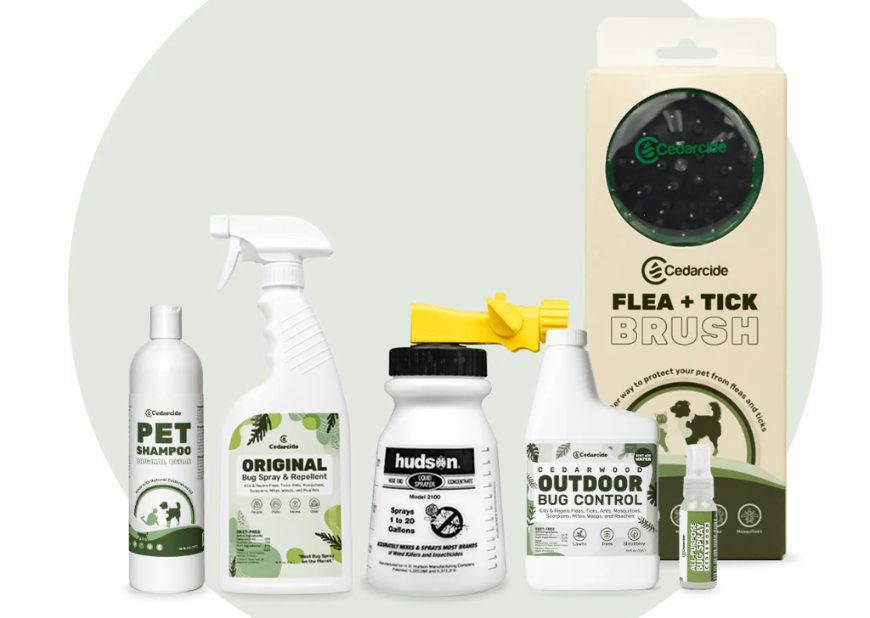
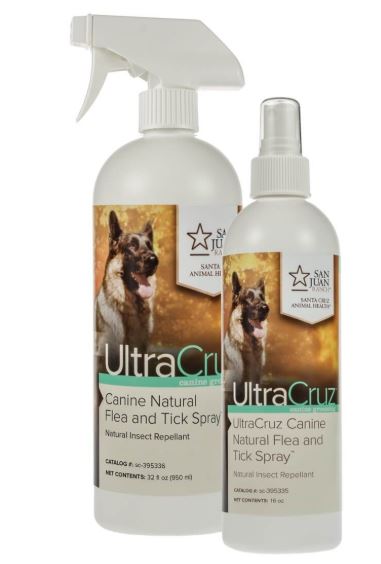
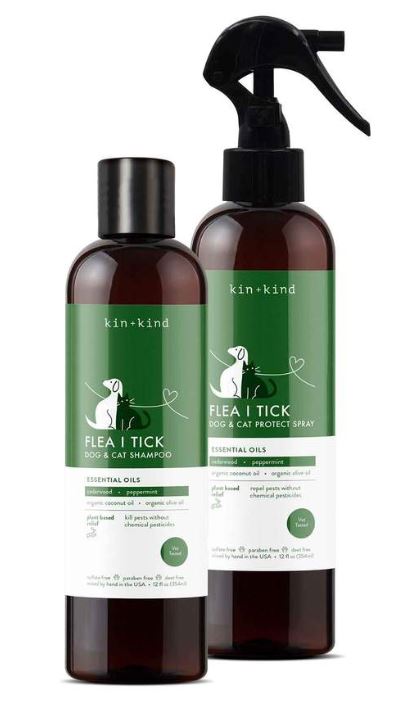
We will be providing links to reputable companies that offer holistic and natural flea and tick products, as well as information for those who wish to make their own sprays at home. We are not telling anyone to ignore their veterinarian’s advice, and every dog and situation is different. However, when it comes to flea and tick prevention in our own program, we choose to stay as natural as possible.
For our dogs, we do not use oral or topical flea and tick preventatives that rely on systemic or chemical pesticides. Our goal is to reduce unnecessary exposure, support overall health, and give our dogs the best chance at a long, comfortable life.